
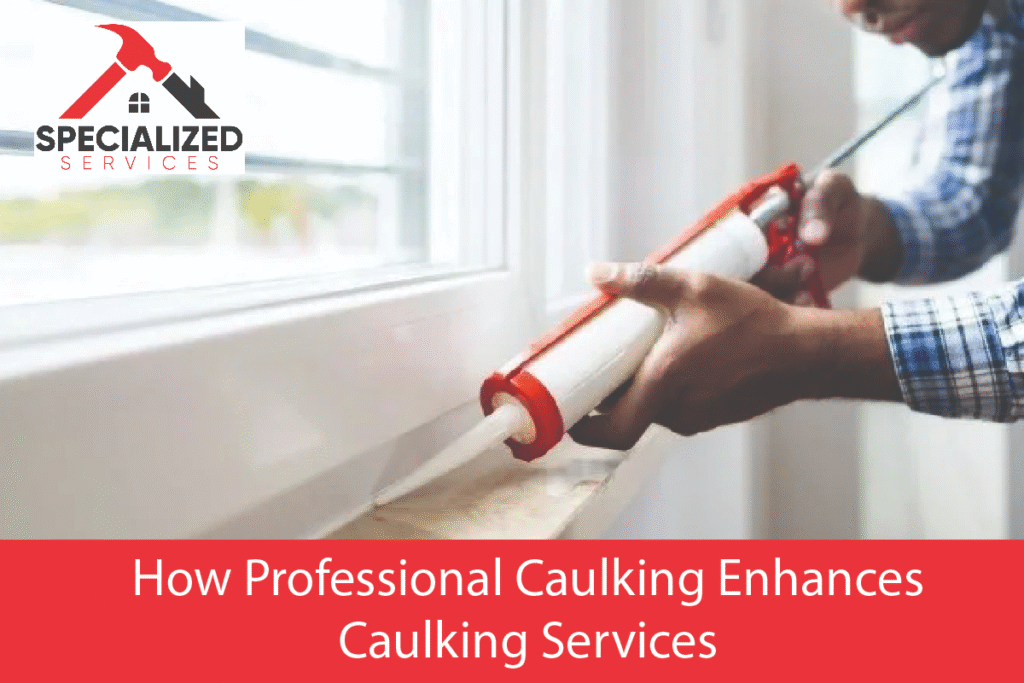
When it comes to maintaining a beautiful, energy-efficient, and damage-free home, one of the most overlooked but critical factors is proper caulking. You might think it’s just about filling in cracks, but there’s a real art to it, especially when a certified caulking contractor does it. From boosting energy efficiency to preventing costly water damage, professional caulking is more than just a finishing touch; it’s an essential service that safeguards your property both inside and out.
Whether you’re dealing with weather-worn surfaces or moisture-prone interiors, hiring an expert caulking solution can make all the difference.
In this blog, we’ll break down why it pays to invest in professional caulking services and how they enhance both the look and lifespan of your home. You’ll learn what sets a professional apart, the long-term benefits, and why this seemingly small detail can deliver significant savings. If you’re on the fence about DIY versus expert help, read on. This guide will make that decision easy.
Why Expertise Matters in Caulking Services
Caulking might seem simple at first glance, but actual skill lies in the details. An expert caulking solution brings years of experience, precision, and the right materials for the job. Certified caulking contractors don’t just apply sealant; they know precisely where, how, and what type to use depending on the surface, environment, and your home’s specific needs.
For example, a bathroom caulking repair project requires a mildew-resistant, waterproof sealant that holds up under daily moisture. On the flip side, an exterior caulking specialist must use UV-resistant sealants to protect your windows and siding from cracking and weather damage.
This level of specialization ensures your caulking lasts longer, looks cleaner, and protects your home the way it should.
Say Goodbye to Drafts and High Energy Bills
One of the most overlooked benefits of hiring a certified caulking contractor is improved energy efficiency. Poor caulking around windows, doors, and even baseboards can allow air to leak in or out, making your HVAC system work harder than necessary.
A professional knows how to create a tight seal using quality sealant application techniques. This can significantly lower your energy bills while keeping your home more comfortable year-round. And if you’ve already invested in energy-efficient windows or insulation, expert caulking enhances those upgrades even further.
For top-level window and door sealing, consider pairing caulking services with whole window and door repair or installation.
Extend the Life of Your Interiors and Fixtures
Cracks and gaps aren’t just an eyesore; they’re an invitation for moisture, pests, and structural damage. That’s why hiring an interior caulking expert is essential for areas like kitchens, bathrooms, and even around trim and molding.
High-moisture areas especially benefit from professional sealing. For example, a poorly sealed bathtub edge can cause water leaks that rot the flooring beneath. An interior expert knows how to spot hidden threats and seal them correctly the first time.
You can also enhance the effectiveness of caulking by combining it with flooring repair or baseboard refinishing. Together, these services help protect and refresh your home’s interior surfaces.
Enhance Your Home’s Curb Appeal and Value
Don’t underestimate the visual impact of proper caulking. Exterior trim, siding joints, and door frames all benefit from the finishing touch of a smooth, durable caulk line. A skilled exterior caulking specialist knows how to blend function with aesthetics, resulting in a polished look that adds curb appeal.
This is especially valuable if you’re planning to sell your home. Real estate professionals often recommend cosmetic upgrades, such as clean caulking, to make a home look well-maintained and move-in ready.
Pair this with other exterior improvements, such as installing shelving in outdoor storage areas or garages, to create a more organized, market-ready property.
Prevent Expensive Water Damage Before It Starts
Water damage is one of the most costly issues homeowners face. From mold remediation to structural repairs, the costs can skyrocket quickly. The good news? A quality sealant application done by a certified contractor can stop water infiltration in its tracks.
Bathrooms, kitchens, basements, and exterior walls are all vulnerable. Professional caulking serves as your first line of defense, sealing gaps before water can creep in. If your property is older or you’ve had leaks in the past, don’t wait until damage appears.
It’s also smart to incorporate appliance installation with sealing in mind, especially for washers and dishwashers, where water leakage can still cause significant damage beneath surfaces.
Save Time, Money, and Stress with the Right Tools and Techniques
DIY caulking might seem cheaper, but most homeowners don’t realize how tricky it is to get right. Between buying the wrong type of caulk, uneven application, and failing to prep surfaces, mistakes are common and expensive to fix.
A professional brings industry-grade tools, knows how to clean and prep areas properly, and ensures every line is smooth, even, and built to last. Plus, the job gets done much faster, sparing you the hassle and future repairs.
In the long run, professional caulking isn’t just a convenience; it’s a smarter investment. Just like you wouldn’t DIY plumbing, it’s best to trust a certified expert for a job that protects the integrity of your home.
Long-Term Benefits of Hiring a Certified Caulking Contractor
When you hire a professional, you’re not just getting a cleaner finish; you’re gaining peace of mind. Expert caulking solutions often come with warranties, ensuring your investment is protected. Plus, you’ll know that your home is sealed in accordance with local building codes and safety standards.
Long-term, this translates into lower maintenance costs, fewer repairs, and better resale value. Your home stays healthier, more efficient, and more beautiful year after year.
Suppose you’re tackling home upgrades, schedule caulking as part of your next service bundle. Whether you’re updating floors, refinishing baseboards, or installing a new shelf system, sealing those edges matters more than you think.
Don’t Ignore These Key Areas in Your Home
Homeowners often forget to check common trouble spots for caulking until the damage is done. Here’s a quick checklist of where professional caulking makes the most significant difference:
- Around bathtubs, sinks, and toilets (especially for bathroom caulking repair).
- Baseboards, molding, and corners.
- Window and door frames.
- Exterior siding and joints.
- Kitchen countertops and backsplashes.
- Areas near washers, dryers, and dishwashers.
These high-impact zones deserve attention from an expert, not a tube of over-the-counter caulk and a weekend guess.
Final Thoughts
Caulking isn’t just about neat lines and smooth edges; it’s a critical part of your home’s defense system. A certified caulking contractor can help you avoid future headaches by sealing in comfort, durability, and value.
Whether you’re dealing with an urgent bathroom caulking repair or planning a complete home upgrade, don’t leave this job to guesswork. Reach out to a trusted professional who can deliver expert caulking solutions with precision and care.
FAQs
Q1: How often should I get my home recaulked?
Every 5–10 years is a good rule of thumb, depending on exposure to moisture and temperature changes.
Q2: Can caulking lower my energy bills?
Absolutely. Proper caulking seals drafts and helps maintain indoor temperatures, reducing HVAC load and energy use.
Q3: Is caulking covered under home maintenance services?
Many home repair services offer caulking as part of broader packages, particularly when addressing floors, windows, or plumbing.
Q4: What’s the difference between interior and exterior caulking?
Interior caulking focuses on moisture and aesthetics, while exterior caulking handles weatherproofing and structural protection.
Q5: Do I need to move furniture or appliances for a caulking job?
It depends on the location. For areas like behind appliances or baseboards, moving items might be necessary, but your contractor will guide you.