
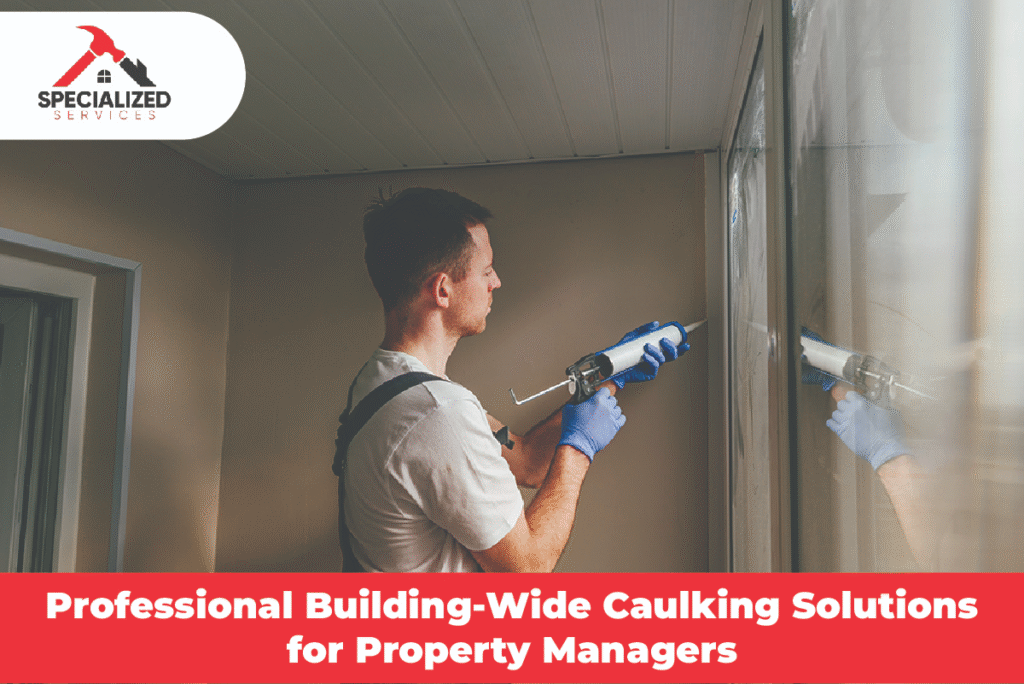
Managing a commercial property is not just about keeping the lights on and the tenants happy. It’s also about protecting the building itself, inside and out. One often overlooked but critically important detail is caulking. Over time, even the strongest structures develop gaps, cracks, and joint failures that allow water, air, and debris to sneak in. When that happens, minor issues can quickly turn into expensive repairs.
That’s where professional building-wide caulking solutions come into play. For property managers, caulking is not just a maintenance task; it’s a long-term investment in safety, efficiency, and property value. When done correctly, building caulking enhances energy efficiency, prevents water damage, and extends the lifespan of your structure. More importantly, it gives you peace of mind knowing your building is sealed, secure, and protected year-round.
In this guide, we’ll break down everything property managers need to know, from why caulking matters to how professional caulking contractors deliver long-lasting results across entire buildings.
Why Building-Wide Caulking Matters for Property Managers
Caulking across an entire building is about more than appearance. It plays a direct role in protecting structural integrity and maintaining consistent indoor conditions. Gaps around windows, doors, and expansion joints allow moisture intrusion, which can weaken concrete, corrode steel, and damage interior finishes.
Additionally, poor sealing leads to air leaks. These leaks force HVAC systems to work harder, driving up energy costs. Over time, that inefficiency adds up. With reliable building caulking services, property managers can reduce energy waste while improving tenant comfort.
Just as important, proactive caulking reduces the need for emergency repairs. Instead of reacting to water damage or mold complaints, you stay ahead of issues, saving time, money, and stress.
Understanding Commercial Caulking Services at Scale
Unlike residential jobs, commercial caulking services require careful planning and specialized expertise. Large buildings include multiple materials, complex joints, and varying exposure to weather. Each area demands a specific sealant and application method.
Professional caulking contractors evaluate your building as a system. They identify vulnerable areas such as façade joints, window perimeters, and concrete transitions. From there, they select high-performance sealants designed to flex, adhere, and last.
This building-wide approach ensures consistency. Every joint works together to keep water out, reduce air infiltration, and protect structural components, without cutting corners.
Exterior Building Caulking That Stands Up to the Elements
The exterior of a commercial building is subjected to constant abuse from the sun, rain, wind, and temperature changes. Over time, exterior sealants dry out, crack, or pull away from surfaces. When that happens, moisture finds its way inside.
High-quality exterior building caulking creates a durable barrier against the elements. It seals cracks in concrete, masonry, metal panels, and façade systems while allowing for natural movement.
When applied by experienced professionals, exterior caulking doesn’t just look clean; it performs under pressure. This level of protection is essential for long-term building health and reduced maintenance costs.
Building Joint Sealing and Expansion Joint Caulking Explained
Every significant structure moves. Temperature changes, settling, and wind loads all cause expansion and contraction. Without proper sealing, these movements lead to cracking and water infiltration.
That’s why building joint sealing and expansion joint caulking is critical. These joints are designed to move, and the sealant must move with them, without tearing or failing.
Professional caulking contractors use elastomeric sealants engineered for flexibility and durability. When joints are sealed correctly, they absorb movement instead of transferring stress to surrounding materials. The result is fewer structural issues and longer-lasting building components.
Window and Door Caulking for Buildings
Windows and doors are among the most common sources of leaks in commercial properties. Even small gaps can allow air and water to pass through, leading to drafts, moisture damage, and rising energy bills.
Proper window and door caulking for buildings creates a tight seal around frames while still allowing natural expansion. This improves indoor comfort, reduces HVAC strain, and protects interior finishes from moisture intrusion.
For property managers, this means fewer tenant complaints and more consistent building performance throughout the year.
Facade Caulking Services for Appearance and Protection
A building’s exterior is the first thing tenants and visitors notice. Cracked or failing sealant can make even a well-maintained property look neglected.
Professional facade caulking services restore clean lines and uniform joints while reinforcing weather resistance. More importantly, they prevent water from entering behind façade materials, where hidden damage can occur.
By maintaining the façade with professional caulking, property managers protect both the building’s image and its structural integrity, two factors that directly impact property value.
Concrete and Masonry Caulking for Long-Term Durability
Concrete and masonry are strong, but they are not waterproof. Small cracks and porous surfaces allow moisture to seep in, especially during freeze-thaw cycles.
Concrete and masonry caulking seals these vulnerabilities, preventing water infiltration and surface deterioration. Over time, this protection reduces spalling, cracking, and costly repairs.
When combined with building waterproofing and caulking, these services create a comprehensive defense system that keeps moisture out and extends the life of your building materials.
Why Professional Caulking Contractors Make the Difference
Not all caulking is created equal. DIY or low-cost repairs often fail because of poor surface prep, incorrect sealant selection, or improper application.
Experienced professional caulking contractors bring the right tools, materials, and expertise to every project. They understand how different building materials interact and how environmental conditions affect sealant performance.
By working with specialists, property managers gain reliable results that last, reducing repeat repairs and long-term costs. You can also explore local expertise. And learn the warning signs that indicate it’s time for caulking.
Final Thoughts: Invest Now, Save Later
For property managers, building-wide caulking is not an optional upgrade; it’s a strategic decision. From facade caulking services to expansion joint caulking, professional sealing protects your investment from the inside out.
When done proactively, caulking improves energy efficiency, prevents structural damage, and enhances overall building performance. Most importantly, it gives you confidence that your property is protected against the elements, today and for years to come.
FAQs: Professional Building-Wide Caulking Solutions
How often should commercial buildings be recaulked?
Most commercial buildings benefit from inspections every 3–5 years, depending on exposure and materials.
Is building-wide caulking disruptive to tenants?
Professional contractors plan work carefully to minimize disruption and maintain safe access.
Can caulking really reduce energy costs?
Yes. Proper sealing reduces air leaks, helping HVAC systems operate more efficiently.
What areas need caulking the most?
Common areas include expansion joints, window and door perimeters, façade joints, and concrete transitions.
Why hire professionals instead of maintenance staff?
Professional caulking contractors use commercial-grade materials and techniques that deliver longer-lasting results.