
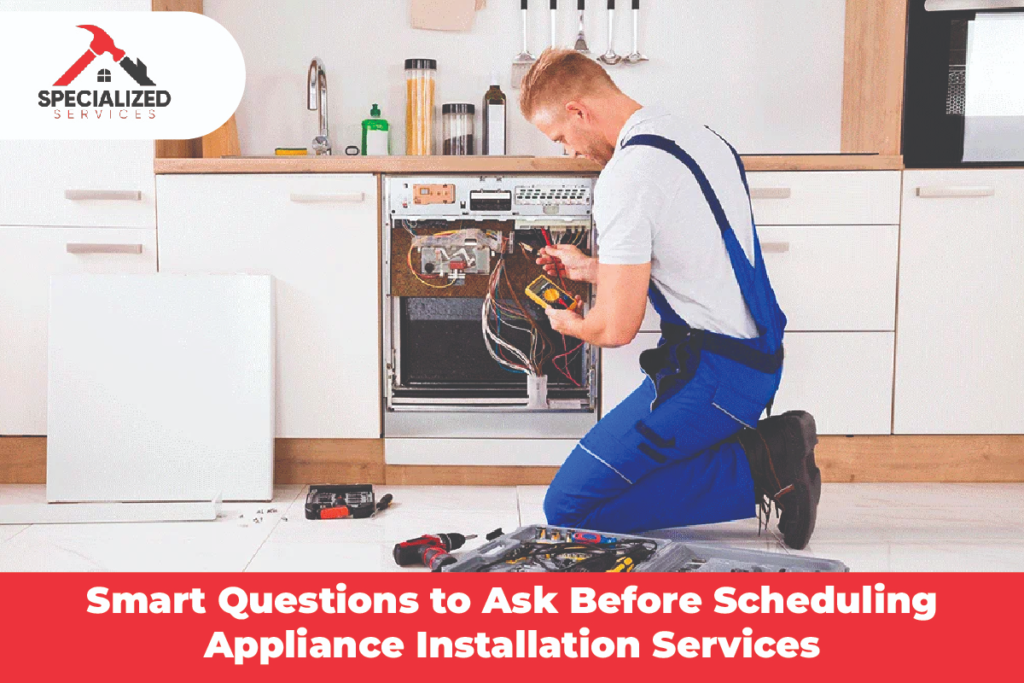
Shopping for a shiny new dishwasher, refrigerator, or washer feels exciting, but the real journey starts once you book the appliance installation. Before your new appliance installation day arrives, you’ll want to ensure the job is done correctly, safely and that you don’t incur any extra costs later. Many homeowners rush into decisions and end up dealing with improper hookups, gas leaks, drainage issues, warranty problems, or unexpected fees. Asking the right questions helps you avoid headaches while ensuring you hire professional appliance installers who actually know what they’re doing.
Even better, taking a few minutes to clarify installation details creates a smoother experience during appliance delivery. With proper communication, you’ll also know what’s included, what isn’t, and what prep work you need to handle beforehand. To keep things stress-free and cost-efficient, here are the most thoughtful questions to ask before scheduling home appliance installation services, from kitchen appliance installation needs to laundry appliance installation.
Ask About Experience and Certification (Don’t Skip This One)
Before anything else, determine who is handling your appliance setup service and whether they’re qualified to do so. Experience matters, especially when dealing with water lines, gas hookups, venting systems, and electrical requirements. A brand-new fridge or washer isn’t cheap, so having an inexperienced technician guess their way through it isn’t worth the risk.
A solid question to start with is: “How long have you been providing appliance installation services?” This gives you a baseline for skill and familiarity with different appliance brands. For example, installing a smart refrigerator is not the same as installing a gas stove. Similarly, new appliance installation involving washers or dishwashers requires an understanding of drainage connections to avoid flooding or leaks.
Next, ask whether the installer is certified or licensed. Professional appliance installers often hold manufacturer or state-level certifications that qualify them to install appliances safely. This can be helpful if you’re installing gas appliances, as improper installation can lead to dangerous gas leaks or ventilation issues. If they say they are licensed, feel free to ask for proof. A reputable installer won’t have a problem showing documentation.
Clarify What’s Included in the Service (Avoid Surprise Costs)
Not all appliance installation packages are created equal. Some companies go above and beyond, while others only handle a basic hookup. Always ask: “What exactly is included?” This question saves you from confusion and unexpected bills.
For instance, many homeowners don’t realize that appliance delivery and setup services can be billed separately. One provider may offer appliance delivery and installation as part of the price, while another may treat it as an additional fee. Asking ahead makes it easier to compare values and avoid conflicts later.
Also, ask whether the service includes the following:
- Removal and disposal of old appliances
- Delivery and placement
- Water line hookup
- Gas or electrical connections
- Venting or duct adjustments
- Leveling and system testing
- On-site calibration or alignment
If you’re replacing appliances in the kitchen or laundry room, these small details matter more than you think. For example, a washing machine that isn’t appropriately leveled can rattle, move, or eventually damage the flooring. A dishwasher without proper drainage may leak during the first wash cycle. The more you clarify, the less you regret later.
Ask About Tools, Materials, and Parts You Need to Provide
Another smart question: “Do I need to provide any parts, fittings, hoses, or connections?” Some installers include everything, while others expect you to purchase specific items beforehand. For example, new refrigerators often require additional water lines. Washers may require new stainless-steel braided hoses. Gas stoves may require flexible connectors or upgraded shut-off valves to meet safety standards.
Knowing this information upfront prevents last-minute runs to the hardware store on installation day. It also helps you compare service quotes more accurately because what looks like the cheapest deal may become the most expensive once you factor in extra parts and time.
Many reliable installers will also guide you on whether your home’s existing hookups are compatible or need upgrading. That alone can save you from future leaks or connection failures.
Verify Warranty Protection and Liability Coverage
Nobody wants to void a manufacturer’s warranty simply because they hired the wrong installer. Never hesitate to ask: “Will the installation keep my appliance warranty valid?” Many brands require installation by certified or professional appliance installers to maintain warranty coverage, especially for high-end models.
While you’re at it, also ask about liability insurance. A true professional will have coverage for property damage or installation-related mishaps. This protects your home and gives you peace of mind knowing you have financial protection if something goes wrong. If they hesitate or dodge this question, that’s a red flag worth paying attention to.
Discuss Compatibility, Sizing, and Home Requirements
Appliances don’t always fit in existing spaces without adjustments. Before booking your appliance installation appointment, ask about measurements. For example:
- Will the refrigerator door have enough swing clearance?
- Does the washer fit through doorways, hallways, and stairwells?
- Are electrical circuits and outlets adequate?
- Is there proper ventilation for a gas dryer?
- Is the cabinet cutout correct for a new oven?
For kitchen appliance install projects, even a half-inch difference can make or break a smooth setup. If you’re upgrading older appliances, compatibility matters even more because older homes weren’t designed for modern appliance dimensions or power requirements.
A reputable appliance setup service will guide you through requirements such as:
- Water pressure needs
- Drain height and location
- Venting route for dryers
- GFCI or dedicated circuits
- Cabinet modifications
This alone helps you prevent scheduling delays or installation failures.
Ask About Cleanup, Testing, and User Instruction
Once the installation is complete, what happens next? Some installers clean up, remove packaging materials, test the appliance, and walk you through the basics of use. Others simply complete a hookup and leave.
To avoid confusion, ask questions like:
- “Will you test the appliance after installation?”
- “Will you remove the old unit?”
- “Do you clean up packaging?”
- “Can you show me how to operate it?”
Testing matters because leaks or connection failures often show up immediately. User instructions are equally valuable, especially with smart appliances that require Bluetooth or Wi-Fi pairing.
With modern washers, dishwashers, and refrigerators becoming more tech-driven, user guidance can prevent accidental misuse that leads to repairs or warranty claims later.
Talk About Timeline and Scheduling Expectations
Finally, make sure you understand how long the job will take and whether you need to be home. A simple dishwasher swap may take only an hour, while a stacked laundry appliance installation that involves gas and venting adjustments may require several hours.
Ask:
- “How long does the installation take on average?”
- “Do I need to prepare the space?”
- “Do I need to clear cabinetry or countertops?”
- “Will you call before arrival?”
- “Is same-day or next-day installation available?”
Precise scheduling helps avoid miscommunication and enables you to plan around work or family commitments. It also sets proper expectations so you’re not waiting all day wondering when the installer will show up.
When to Hire Local Appliance Installers
Choosing local appliance installers can give you faster service, better communication, and more accountability. Local companies often respond quickly, provide accurate estimates, and don’t bury you under hidden fees. Unlike large national retailers, local installers have a community reputation to protect.
For residents looking for a trusted appliance installation specialist in Wylie, TX.
These resources offer high-value insights and professional support for both residential and commercial installation needs.
Final Thoughts
Asking thoughtful questions makes the difference between a smooth installation and a stressful one. Whether you’re scheduling a simple home appliance installation or a whole-kitchen appliance installation project, planning ensures everything works correctly, safely, and efficiently. From warranties and certifications to compatibility and timelines, these questions help protect your investment and your peace of mind.
Before scheduling your next appliance installation appointment, take a few minutes to clarify the details. Your future self and your brand-new appliances will thank you.
FAQs
Do all appliance installers handle gas hookups?
Not always. Gas appliances require special qualifications. Always ask before scheduling.
Will the installation void my factory warranty?
It can. Only use certified or professional installers to keep warranties valid.
Can installers remove old appliances?
Some do, and some don’t. Ask ahead to avoid disposal hassles.
Should I be home during installation?
Yes. It ensures access, approval, and coordination for testing and setup.