
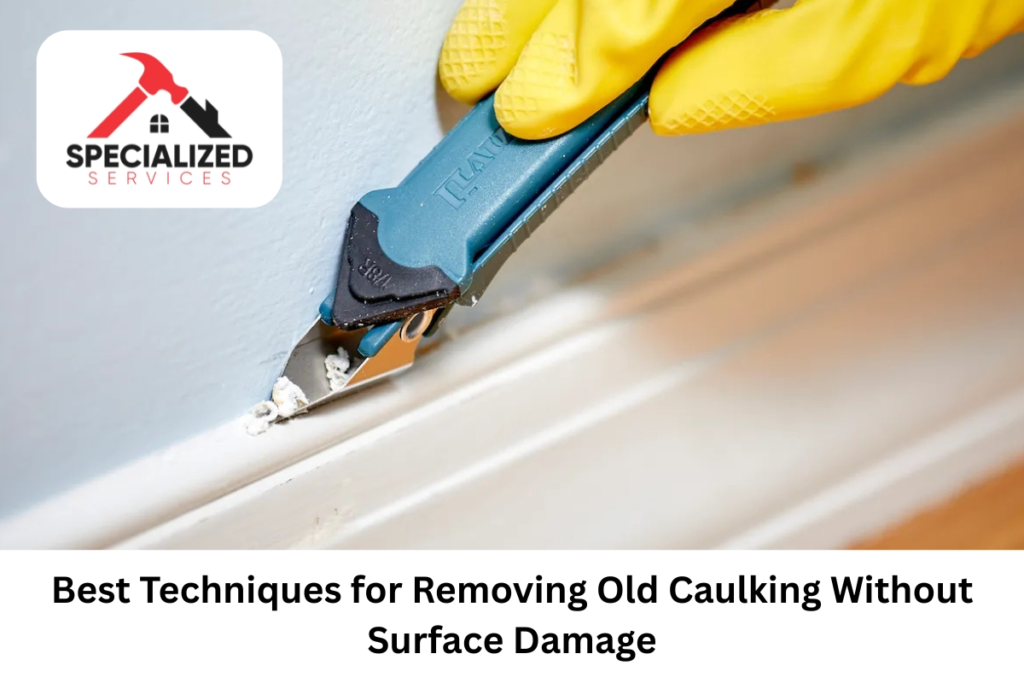
Removing old caulk can seem like one of those tedious home repair chores that never ends. But here’s the truth: with the proper techniques, tools, and a bit of patience, you can make that old, cracked sealant disappear without damaging the surface underneath. Whether you’re redoing bathroom tiles, resealing windows, or prepping your kitchen sink, learning how to remove caulk properly ensures your new seal sticks perfectly and lasts longer.
This guide covers everything, from DIY caulk removal methods to professional tricks used by experts. By the end, you’ll know the safest and most effective ways to achieve clean, damage-free results while saving time and frustration.
Why Removing Old Caulking the Right Way Matters
You might wonder, “Why not just add new caulk on top of the old one?” Here’s the catch: layering new caulk over deteriorating material leads to weak adhesion and faster wear. Old caulking often harbors dirt, mildew, or moisture, preventing the new seal from bonding properly.
Proper caulking removal also prevents potential surface damage. Whether it’s your bathtub, window frame, or countertop, using incorrect tools or harsh chemicals can scratch or warp the material. That’s why it’s essential to understand how to remove caulk safely with appropriate tools and methods.
Gathering the Right Caulk Removal Tools
Before you dive in, gather the right tools to make your job easier. A well-prepared setup ensures precision and avoids unnecessary mess.
Here’s what you’ll need:
- Caulk remover or chemical caulk remover for softening stubborn sealants.
- Caulk removal tools, like plastic scrapers or specialized caulk knives.
- Utility knife or razor scraper for precise edges.
- Plastic putty knife for gentle scraping.
- Protective gloves and eye protection.
- Isopropyl alcohol or vinegar solution for cleaning residue.
A pro tip: avoid using metal tools unless necessary, especially on delicate surfaces like tiles or fiberglass. Plastic tools are gentle yet effective in most DIY caulk removal situations.
Step-by-Step Guide: How to Remove Old Caulk Like a Pro
Removing old caulk doesn’t have to be stressful if you follow these proven steps.
Step 1: Soften the Old Caulk
Apply a caulk remover or chemical caulk remover directly on the old sealant. Let it sit for about 10–15 minutes. This step breaks down silicone or latex caulk, making it easier to peel away.
Step 2: Cut Along the Edges
Use a utility knife or razor scraper to cut along both edges of the caulk line carefully. Avoid digging into the surface; gentle pressure is enough.
Step 3: Start Peeling
Once loosened, grab a corner and gently pull the old caulk strip away. For stubborn spots, use your caulk-scraping tool to lift and remove the residue.
Step 4: Clean the Surface
After removing old caulking, wipe the area with isopropyl alcohol or vinegar. This ensures all traces of sealant, dirt, and oil are gone before applying new caulk.
Step 5: Dry the Area
Let the cleaned surface dry completely. Moisture is the biggest enemy of proper caulking adhesion.
By following these steps, you’ll have a smooth, residue-free surface ready for a new application.
Silicone Caulk Removal Tips You Shouldn’t Skip
Silicone caulk can be trickier to remove compared to acrylic or latex types. It’s known for its elasticity and strong adhesion. To remove silicone caulk, apply a more potent caulk-remover gel and let it sit for extra time to soften it before scraping.
If you’re working on glass or ceramic, a plastic razor blade scraper works wonders. Avoid metal blades on these surfaces to prevent scratching. For complete residue removal, apply a bit of mineral spirits to a cloth and gently rub the surface. It helps lift leftover silicone traces without harming the material.
DIY Caulk Removal vs. Professional Caulking Removal Service
DIY caulk removal can be rewarding, especially for small household projects like showers, sinks, or windows. However, certain cases require expert attention, for instance, when dealing with multiple seal layers, delicate materials, or structural joints.
Professional caulking removal services (such as those from Specialized Repair Services) use advanced tools and methods to ensure perfect results without causing surface damage. They also provide resealing and waterproofing solutions that maintain your property’s longevity and aesthetics.
If you’ve tried DIY caulk removal several times without success, or if the sealant covers a large area, hiring pros is a wise investment. You’ll save time and ensure the new caulk adheres properly.
Common Mistakes to Avoid During Caulk Removal
Even seasoned DIYers can make these simple yet costly mistakes.
- Rushing the process: Trying to peel before the caulk softens can damage tiles or paint.
- Using sharp metal tools on sensitive surfaces: Always use plastic caulk-scraping tools instead.
- Skipping surface cleaning: Any leftover residue can weaken the new seal.
- Not drying the area completely: Even a small amount of moisture can cause poor adhesion.
By avoiding these pitfalls, you ensure your new caulk lasts longer and looks cleaner.
When to Call in Experts for Help
If you notice that your surface is chipping, the caulk won’t come off evenly, or there’s visible mold beneath, it’s time to bring in professional help. A caulking removal service not only removes the old caulk efficiently but also checks for hidden damage or moisture leaks underneath the seal.
Specialized Repair Services offers expert caulking, sealing, and repair services for residential and commercial spaces. Their team ensures every project is done neatly, with zero damage and lasting protection. Learn more from their detailed post on Caulking Service Signs.
Final Thoughts
Learning how to remove caulk properly is an essential skill every homeowner should master. Whether you choose DIY caulk removal or professional help, the goal is to restore clean, smooth lines and a watertight seal. With the right caulk removal tools, patience, and care, your bathroom, kitchen, or window frames can look as good as new, ready for a fresh bead of caulk that lasts for years.
So, before you grab that tube of sealant, take a moment to remove the old stuff properly. Your future self (and your surfaces) will thank you!
FAQs About Caulk Removal
1. What’s the best way to remove silicone caulk?
Use a chemical caulk remover to soften it, then gently scrape with a plastic caulk removal tool.
2. Can vinegar remove old caulk?
Vinegar helps loosen some latex-based caulks but isn’t as effective on silicone. Use a proper caulk remover for best results.
3. How long should I wait before applying new caulk?
After cleaning, let the surface dry for at least 24 hours to ensure complete adhesion.
4. Do professionals use chemical caulk removers?
Yes, but they often combine them with heat or specialized scrapers for faster, safer removal.
5. Should I hire a caulking removal service for my bathroom?
If the caulk is moldy, layered, or stubbornly stuck, hiring experts like Specialized Repair Services is worth it.